Tsunami risk
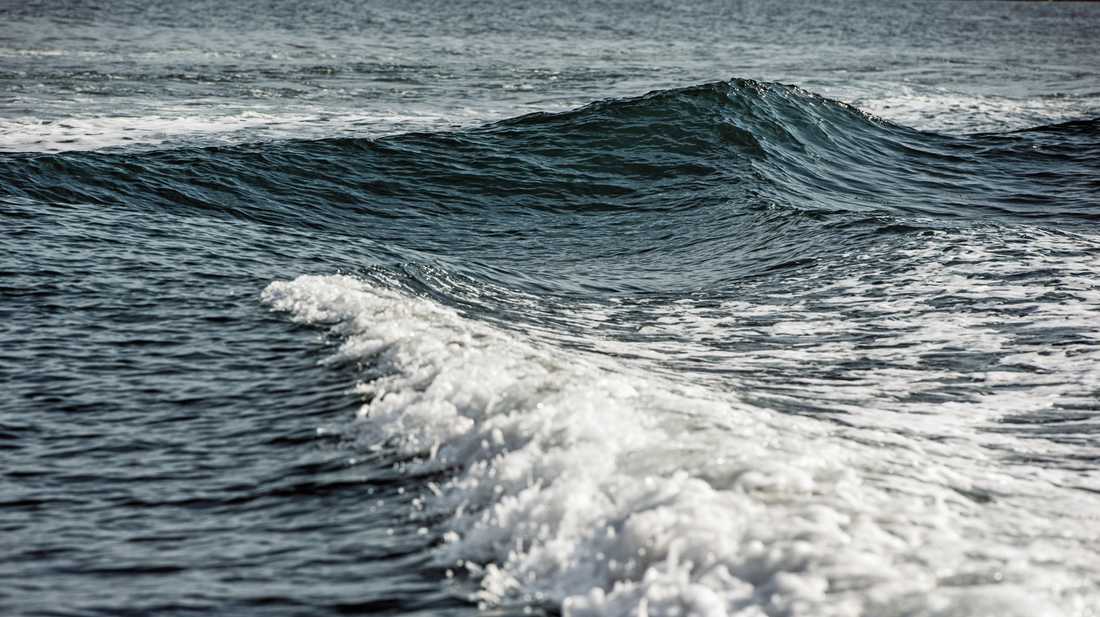
Every coast of the Mediterranean Sea is exposed to tsunami risk due to high seismicity and the presence of various active volcanoes, both emerged and submerged. Over the past thousand years, tens of tsunamis have been reported along the Italian coasts, although only some were destructive. The most affected coastal areas are Eastern Sicily, Calabria, Puglia, and the Aeolian Archipelago. Minor tsunamis have also been recorded along the Ligurian, Tyrrhenian, and Adriatic coasts. Italian shores can also be reached by tsunamis generated far from the country, such as those following a strong earthquake in the waters of Greece.
Since 2005, Italy has participated in the international Tsunami Early Warning and Mitigation System in the North-Eastern Atlantic, the Mediterranean and Connected Seas (NEAMTWS), under the coordination of the IOC – UNESCO Intergovernmental Oceanographic Commission. This system is similar to those already operating in the Pacific, Caribbean, and Indian Oceans, where early warning systems are established. The key difference is that in a relatively small sea like the Mediterranean, wave arrival times are short, reducing the time available to alert the population.
In 2017, the National Alert System for tsunami generated by earthquakes in the Mediterranean Sea (SiAM) – was established by a directive of the President of the Council of Ministers. The system involves three institutions: INGV – National Institute of Geophysics and Volcanology, operating through the CAT – Tsunami Alert Centre; ISPRA – Italian Institute for Environmental Protection and Research; and the Civil Protection Department. On November 15, 2018, the guidelines issued by the Head of the Civil Protection Department, addressed to components and operational structures for updating their civil protection plans for tsunami risk, were published in the Official Gazette.